Hey folks, let’s cut to the chase—if you’re running a tunnel drilling rig, you know it’s not just a big metal machine; it’s your bread and butter, especially if you’re in underground construction, mining, or infrastructure. I’m from a tunnel drilling rig supply team, and every week I get the same calls from operators and site managers: “My rig’s down again, and I’m losing $Xk a day.” Most of the time, it’s not some wild, unforeseen issue—it’s avoidable maintenance problems that slip through the cracks because people either skip checks or don’t know what to look for. Today, I’m breaking down the common ones we see nonstop, no fancy jargon, just what actually happens on job sites. Tunnel Drilling Rig
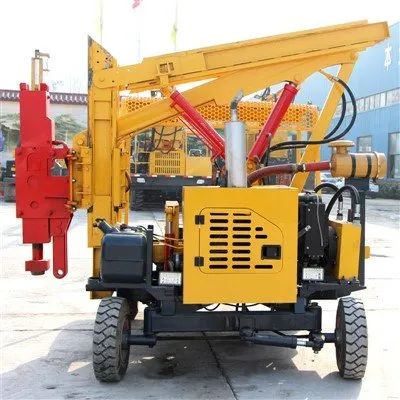
First up: hydraulic system leaks. This is like the cold for a drilling rig—annoying, everywhere, and if you ignore it, it turns into something way worse. Hydraulics run everything on these rigs: the rotating head, the feed, the thrust, even the backup hydraulics that keep things from seizing up. When I walk a job site, the first thing I check is the floor around the rig—if there’s a sheen of oil, that’s a leak. A lot of guys think “it’s just a tiny drip, no big deal,” but here’s the thing: hydraulic fluid is under high pressure—like, up to 5,000 PSI, sometimes more. A tiny pinhole leak can spray fluid into a seal, a wire, even your hand (I’ve seen a guy get a cut that got infected bad because of a small leak he ignored). Worse, if the fluid level drops too low, the pump runs dry, burns out, and that’s a $10k+ repair right there. We’ve had customers who skipped monthly leak checks, and within 6 months, they were replacing the entire hydraulic pump and half the hoses. Pro tip: don’t just look for drips—feel the connections, the hoses, the welds around the reservoir. Even a faint stickiness is a leak starting.
Next: cutter head and bit wear. The cutter head is the business end of the rig—it’s what chews through rock, soil, whatever you’re drilling. A lot of operators only think to check the bits when they can’t drill, but by then, you’re already half a day behind. We see this all the time with miners or small contractors who try to stretch a set of bits to save money, but that’s a false economy. For soft rock, bits wear out fast—sometimes a shift, sometimes less. For hard rock (like granite or basalt), you’re looking at 2-4 shifts max before you need to replace or regrind the cutters. The problem here is not just the bits getting dull; it’s when a cutter breaks off. If a broken cutter spins around inside the head, it can scratch the head’s housing, mess up adjacent bits, and even jam the rotation so bad you have to shut down for 2 days to pull the head apart. A quick pre-shift check—just shine a light on the cutter head before you start drilling—can catch dull or broken bits before they cause chaos. I’ve seen a rig finish a tunnel 3 days early because the operator took 20 minutes to swap out 3 worn bits, vs. a customer who tried to power through and lost a full week fixing a jam.
Then there’s the lubrication system neglect. This is the forgotten step a lot of guys skip because it’s tedious—greasing every single fitting, checking gear oil levels, making sure the lube pump’s working. Every moving part on the rig needs lubrication, and if you skip a grease nipple, that part seizes. The swing bearings, the crawler tracks, the rotating head’s internal bearings—all of these rely on regular lube. We had a customer last year who only greased the tracks once a week instead of twice a shift (for tracks, you want to do it every time you move the rig short distances). Within 8 months, the track’s drive sprocket wore down so bad the track slipped off mid-drill, and they had to lift the entire rig with a crane to fix it—cost them $15k in downtime and crane rental. Also, don’t use the wrong grease! A lot of guys grab whatever’s lying around, but drilling rigs need high-pressure, extreme-temperature grease because the rig gets hot underground. Using regular automotive grease will break down in 20 hours, leaving parts dry.
Electrical system glitches. This isn’t your car’s check engine light—on a tunnel drilling rig, the electrical system controls the PLC (programmable logic controller) that runs drilling parameters, the sensors that track depth and pressure, and even the emergency stop. Dust, mud, and water (yes, underground is damp) are the enemies here. A common issue is corroded connectors—if you’re drilling in a wet, dusty tunnel, moisture gets into the plugs, and the sensors start sending wrong readings. One time, a customer’s rig was drilling too deep because a depth sensor was corroded, and they drilled into a water line—flooded the tunnel, shut down the entire job for 3 days, and cost them $20k in repairs and lost progress. Another big one: loose wiring. The rig vibrates nonstop while drilling, so wires can work themselves loose from the terminals. We tell all our customers to do a quick electrical check every week—wiggle the connectors, wipe down the sensors, make sure the emergency stop button is working (seriously, test it once a month—you don’t want it to fail when you need it).
Crawler track issues. The crawlers are what move the rig around the tunnel, and a lot of people treat them like afterthoughts. But if the tracks are misaligned, worn, or have tension problems, the rig can tip, get stuck, or even break the tracks mid-drill. Misaligned tracks happen when you don’t check the track tension every shift—if one side’s tighter than the other, the rig pulls to one side, and the track wears unevenly. A stuck crawler is a nightmare too—if mud or rock gets packed between the track links, you can’t move the rig, and you have to pull it apart with shovels or a small excavator, which takes hours. We’ve even had cases where a customer’s track broke, and they had to rent a rig to finish the job temporarily because theirs was out for repairs. Pro tip: check track tension with a pry bar—if the middle of the track flexes more than 2 inches, adjust it. And clean the tracks after every shift, especially in muddy or rocky tunnels.
Shield and door seal failures. Wait, what’s a shield? On most tunnel drilling rigs, the shield is the cover around the cutter head that keeps dirt and rock from getting into the internal components. The seals on that shield—usually rubber or polyurethane—take a beating every shift. If they crack or tear, rock dust and mud get inside, and that’s when you get seals in the hydraulic system, dirt in the bearings, and all sorts of secondary issues. We see this a lot with rigs that are used in abrasive ground (like sandstone or gravel) — the seals wear out fast, and if you don’t replace them, the internal parts wear 3x faster. Last month, a customer called us because their cutter head was making a grinding noise—we showed up and found that a torn seal had let sand get into the head’s bearings, and they needed a full bearing replacement. The seal would’ve cost $50, the bearing replacement was $8k. That’s a no-brainer.
Now, let’s be real—these problems aren’t always because operators are lazy. Sometimes they’re short on staff, the job schedule’s tight, or they don’t have the right tools for maintenance. That’s why when we supply rigs, we also include a quick maintenance checklist and a video walkthrough of all the key checkpoints. A lot of customers sleep on that video, but it’s 15 minutes that saves hours of downtime.
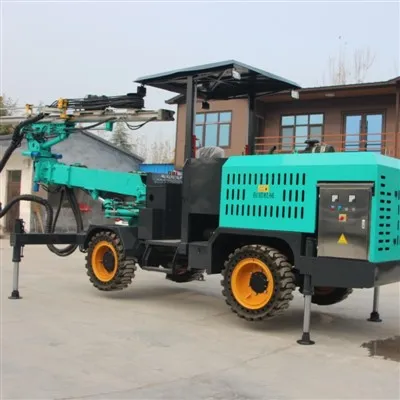
Here’s the thing: a tunnel drilling rig is a big investment—usually $100k to $500k+, depending on size. Skipping regular maintenance isn’t just a hassle; it’s throwing money down the drain. Every hour your rig is down is an hour you’re not drilling, which means you’re not getting paid. We’ve had customers who implemented a weekly maintenance routine see a 20% reduction in downtime in the first 6 months, and some even extend their rig’s lifespan by 2-3 years.
Guardrail Pile Driver If you’re dealing with any of these issues—leaks, worn bits, stuck tracks, electrical glitches—or if you’re in the market for a new or refurbished tunnel drilling rig, we’re here to help. We don’t just sell machines; we support them, with maintenance tips, parts, and service if you need it. Don’t wait until your rig’s dead in the tunnel—reach out to us to chat through your needs, get a custom solution, or even just a quick maintenance checklist to keep your rig running smooth.
References
- International Society for Rock Mechanics and Rock Engineering. (2021). Maintenance Guidelines for Underground Drilling Rigs. Journal of Rock Mechanics and Geotechnical Engineering, 13(4), 892-905.
- Construction Industry Institute. (2022). Reducing Downtime in Heavy Construction Equipment: A Field Study. CII Publication 411-01.
- Hydraulic Institute. (2020). Troubleshooting Common Hydraulic System Leaks in Mobile Construction Equipment. HI Technical Report TR-18.
Jining Tongzhao Machinery Co., Ltd.
Jining Tongzhao Machinery Co., Ltd. is one of the most professional tunnel drilling rig manufacturers and suppliers in China, also supports customized service with low price. Please feel free to wholesale advanced tunnel drilling rig for sale here from our factory. Contact us for pricelist.
Address: 160 meters north of Hongxiang Road, east of Jiamei Road, Jining Economic Development Zone
E-mail: 13668674521@163.com
WebSite: https://www.cntzmachine.com/
