If you’ve ever worked on insulation for a commercial building, a residential attic, or even a soundproofing project, chances are you’ve come across glass wool board. But if you’re here asking about its water absorption rate, you’re probably not just browsing—you’re a builder, architect, facilities manager, or maybe a fellow insulator trying to nail down the technical details that make or break a project. As someone who’s spent the last 12 years running a glass wool board supply operation, I’ve fielded this exact question a hundred times, and I’ve learned that the answer isn’t just a number on a spec sheet—it’s something that can make or break a project’s energy efficiency, lifespan, and bottom line. Glass Wool Board
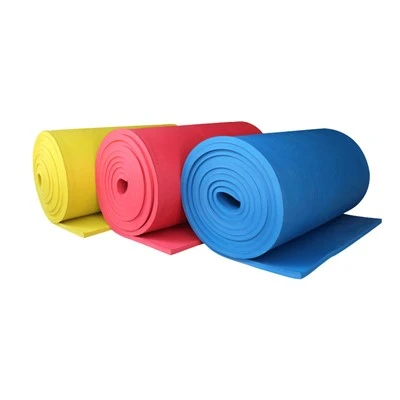
Let’s start with the basics. Glass wool board is made from molten glass spun into fine fibers, then bound with a thermoset resin and compressed into rigid, flat panels. Unlike loose-fill glass wool that can shift over time, board is engineered to stay in place, which is why it’s the go-to for wall cavities, metal building facades, and roof insulation. But that tight, rigid structure leads a lot of people to assume it’s totally water-resistant. Spoiler: it’s not. No insulation material is fully waterproof, and glass wool board is no exception. That said, its water absorption rate is one of its most underrated—and most important—technical specs, especially for anyone working in high-humidity environments, coastal areas, or regions that get heavy rain or snow.
First, let’s get the definition straight, because this is where a lot of confusion starts. Water absorption rate (usually measured as a percentage by weight or volume) tells you how much water the material will take in when exposed to liquid water, not just high humidity. There are a couple of standard test methods here too—we use the ASTM C1104 test in our facility, which is the industry standard for measuring water absorption of rigid thermal insulation. That test involves submerging a sample of the board in water for 24 hours, draining off the surface water, and weighing the difference before and after submersion.
So what’s the actual number? For standard, unfaced glass wool board, that 24-hour water absorption rate is usually between 1.5% and 3% by weight. Wait, that might sound low, but let’s put that in context. A 4×8 foot panel of half-inch thick glass wool board weighs roughly 12 pounds. At 2% absorption, that’s 0.24 pounds of water per panel—hardly a flood, right? But here’s the catch: that’s for the core material. Most glass wool board products we supply come with a facing—usually a foil, a fiberglass scrim, or a vinyl laminate—designed to block moisture. A good facing can drop water absorption to less than 0.5% by weight, and that’s a game-changer for performance.
Now, why does this matter more than, say, the R-value (which is about 3.5 per inch for standard glass wool board, by the way)? Let’s talk about what water does to insulation. First, it adds weight. If you have multiple layers of board on a roof, extra weight from absorbed water can strain structural supports, especially if the roof isn’t sloped well to drain rain. Second, water is a great conductor of heat. Dry glass wool traps air in its fibers, which is what gives it its insulating properties. When water fills those tiny air pockets, heat transfers way faster—so your R-value drops by as much as 50% if the board absorbs a lot of water. That means higher energy bills, because your heating or cooling system has to work harder to make up for lost insulation. Third, moisture can lead to mold and mildew growth. Glass wool is not a food source for mold, but if water sits in it for weeks on end, the organic binders in the resin can become a food source, and mold can start to grow. Mold not only damages the insulation over time, but it’s also a health hazard for building occupants.
I’ve seen this play out first-hand, too. About five years ago, we had a client in Florida who ordered unfaced glass wool board for a warehouse roof. They skipped adding a vapor barrier and didn’t slope the roof enough, so during hurricane season, the roof pooled water for three days. By the time they called us to fix it, the board had absorbed almost 10% of its weight in water. They had to replace the entire 20,000 square feet of insulation because the R-value had dropped so much that their energy bills tripled, and they were starting to see mold on the interior walls. That’s the kind of mistake that happens when you overlook water absorption rate and how the board is installed.
Now, not all glass wool board is created equal. The water absorption rate can vary based on a few factors. The first is fiber density. Higher density board—usually 2.5 to 4 pounds per cubic foot—has smaller fibers and a more compact structure, so it absorbs less water. Our high-density glass wool board, for example, has a 24-hour water absorption rate of about 1.2% by weight, which is well below the industry average. Lower density board, which is used for softer applications like interior wall soundproofing, can have absorption rates up to 4%, because its fibers are more loosely packed and more porous. The second factor is the facing, like I mentioned earlier. Foil-faced board is the most moisture-resistant, because the aluminum foil is a vapor and water barrier. We also have board with a “hydrophobic treatment” added to the resin during manufacturing, which repels water and brings absorption rates down to around 1% even without a facing. That’s a big seller for us in coastal areas, where salt air and high humidity are constant concerns.
Another thing to note is the difference between water absorption (liquid water) and water vapor transmission (moisture from air). Glass wool board is breathable, which means it lets water vapor pass through it easily. That’s a good thing, because it prevents trapped moisture from building up inside walls or roofs. But it also means that if you have a vapor barrier on the wrong side of the insulation, vapor can get trapped and condense, which can lead to the same problems as liquid water absorption. That’s why installation matters just as much as the product itself. We always tell our customers to pair glass wool board with the right vapor barrier, install it with no gaps between panels (gaps can let air and moisture in), and make sure all seams are sealed with tape or sealant to prevent moisture from getting in.
Let’s also compare glass wool board to other common insulation materials, just to put this in perspective. Fiberglass batts, which are loose and not rigid, can have water absorption rates up to 10% by weight if they get wet, and they lose most of their R-value. Mineral wool (another common insulation) has a water absorption rate of around 2-5%, which is similar to standard glass wool, but it’s more expensive. Polystyrene foam insulation (XPS or EPS) has much lower water absorption—usually less than 0.5%—but it’s less breathable, which can lead to trapped moisture if not installed correctly. So glass wool board’s water absorption rate is actually pretty competitive, especially when you factor in its durability, soundproofing properties, and lower cost compared to mineral wool.
Now, I know a lot of you are probably asking: what if my glass wool board does get wet? Can it be salvaged? The short answer is, it depends on how much water it absorbed and how long it’s been wet. If it’s only a little bit (less than 1% by weight) and it dries out quickly, it will go back to its original R-value. But if it’s absorbed more than 3% and has been wet for more than 72 hours, it’s probably a good idea to replace it. We’ve had customers who dried out wet board with industrial fans and never had issues, but that’s a risk you don’t want to take if the project is for a commercial building or a home where you’ll be living for years.
As a supplier, I don’t just sell you a pallet of glass wool board and send you on your way. I take the time to explain the water absorption rate, the factors that affect it, and how to install it correctly to prevent moisture damage. That’s what sets us apart from the big-box stores that just stock insulation without any technical support. Last month, I worked with a contractor in Texas who was working on a school gymnasium. He was initially going to use a cheaper, lower-density board because it fit his budget, but when we talked about water absorption and the high humidity in Houston, he switched to our high-density, hydrophobic board. A few weeks later, he told me that decision saved him from a potential disaster during the first heavy rainstorm—he had a leak in the roof, but the insulation only absorbed 1.2% of its weight, and dried out in 24 hours without any issues. That’s the kind of problem-solving I pride myself on.
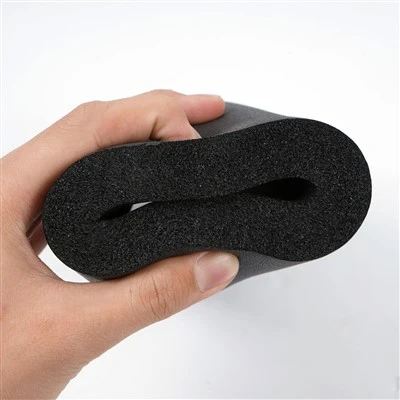
At the end of the day, the water absorption rate of glass wool board is a critical spec that you can’t ignore. It’s not just a number on a spec sheet—it’s what keeps your insulation performing as it should, your energy bills low, and your building safe from moisture damage and mold. If you’re working on a project and you’re not sure which type of glass wool board is right for you, or if you have questions about water absorption, installation, or any other technical details, I’m here to help. We can walk through your project requirements, share test data from our manufacturing facility, and make sure you get the right product at a fair price. Don’t leave your insulation performance to chance—reach out to our team today, and let’s make sure your next project is insulated right, from the start.
References
Rock Wool Board ASTM International. Standard Test Method for Water Absorption of Rigid Thermal Insulation by Immersion. ASTM C1104/C1104M-21. 2021.
Glass, Wool Insulation Manufacturers Association. Technical Manual for Glass Wool Insulation Products. GWIA, 2022.
National Building Code of the United States. Chapter 7: Thermal Protection. ICC, 2021.
Langfang Aolesi Thermal Insulation Materials Co., Ltd.
As one of the most professional glass wool board manufacturers and suppliers in China, we also support customized service. Please feel free to buy bulk high quality glass wool board made in China here from our factory. For pricelist, contact us now.
Address: Dongwang Village, Dacheng County, Langfang City, Hebei Province
E-mail: Lfaolesibaowen@outlook.com
WebSite: https://www.lfaolesi.com/
