When customers first reach out to me about protective fittings, most come with a basic problem: they need a component that keeps wiring, piping, or sensitive equipment safe from damage, dust, or harsh weather. But every so often, there’s a customer who says, “I don’t want just any fitting—I need a high-end one.” That question always stops me for a second, because I’ve spent 18 years supplying these parts to aerospace, offshore energy, and industrial automation teams, and I’ve seen how a “high-end” label doesn’t just mean pricier materials. It means built to solve the exact, unspoken problems that come with operating equipment in tough, non-negotiable environments. Today, I want to pull back the curtain on what makes a high-end protective fitting actually work, from the people who specify and install them every day. Protective Fittings
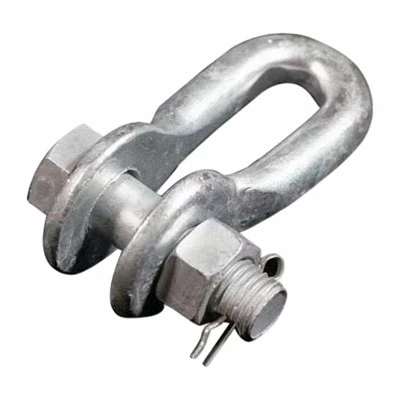
First, let’s start with the material science, because this is where most off-the-shelf fittings fall short. I can’t count how many times I’ve had a customer return a batch of cheap metal fittings after a single season of outdoor use, only to show me pitting, rust, or cracks along the threads. A high-end protective fitting uses materials engineered for their specific operating conditions, not just the cheapest grade available. For example, our standard line for coastal or offshore applications uses 316L stainless steel—not the 304 grade that’s common in hardware stores, because 316L adds molybdenum, which resists chloride corrosion from salt spray. For extreme cold environments, like Arctic oil rigs, we use a galvanized steel alloy with low carbon content to prevent embrittlement at temperatures below -40°F. Even the plastics we use (when a customer needs non-metallic for electrical isolation) are not basic PVC. We partner with a materials lab to produce our own high-density polyethylene (HDPE) compound that’s UV-stabilized, so it won’t turn brittle and crack after three years of sun exposure—something off-the-shelf PVC does every time. This isn’t just overengineering; it’s matching the material to the job. Last year, we supplied fittings to a wind farm in the North Sea; their old fittings had failed after 12 months of being battered by salt and wind. Our 316L fittings are now in their third year without a single reported defect, and the maintenance team told us they’ve cut their protective hardware costs by 70% because they don’t have to replace parts every season.
Next, fit and form precision. A protective fitting’s job is to create a tight, reliable seal between two components, whether that’s a wire running through a metal panel or a pipe connecting to a pressure vessel. But many low-end fittings have loose tolerances, so even if you tighten them as instructed, there’s a gap. That gap lets in moisture, dust, or vibration that wears down equipment over time. High-end fittings are machined to tolerances of ±0.005 inches—meaning the threads, the sealing flange, and the compression ring are all shaped to within a thousandth of an inch. Let’s break that down: the compression ring, which creates the watertight seal around the cable or pipe, isn’t a one-size-fits-all rubber ring. Our fittings use precision-machined nylon rings that conform to the exact outer diameter of the component passing through them, so there’s no space for air or liquid to get in. For custom applications, we can adjust the ring’s shape to fit non-standard cables, like fiber optic lines with an outer jacket that’s slightly thicker than standard. I remember a customer in the medical device industry who needed fittings for a new MRI machine; their old off-the-shelf fittings leaked tiny amounts of coolant, which interfered with the machine’s imaging. Our precision-machined seals eliminated the leaks, and they’ve been using our parts exclusively for three years. That’s the kind of difference precision makes.
Then there’s vibration resistance—a detail that’s often overlooked until equipment starts failing. For any application with moving parts—think factory assembly lines, vehicle wiring, or wind turbine blades—vibration is the silent killer of protective fittings. A cheap fitting might hold tight for a few months, but the constant back-and-forth movement can loosen threads, crack the housing, or break the seal. High-end protective fittings are designed with two key features to combat this: locking mechanisms and vibration-dampening housings. Our steel fittings use a nylon insert lock nut, which is molded into the threads to prevent the nut from spinning loose, even after thousands of vibration cycles. For plastic fittings, we use a molded-in rubber gasket between the fitting’s base and the surface it’s mounted to, which absorbs vibration instead of transferring it to the seal. We test every batch of fittings for vibration resistance in our in-house lab, where we subject them to 10 to 50 times the industry standard for vibration intensity. Last year, a client in the heavy equipment industry had fittings that were failing on their off-road excavators, causing wiring shorts that led to breakdowns on construction sites. Our vibration-resistant fittings cut their breakdowns related to protective hardware by 90% within six months. They told us the time and money they saved on repairs far outweighed the slightly higher cost of our parts.
Another critical feature is environmental sealing rating, and not just the standard IP ratings you see on product packaging. Let’s be honest: many manufacturers use inflated IP ratings to make their fittings sound better. A high-end protective fitting will have a third-party verified IP or NEMA rating, not a self-reported one. For example, our marine-grade fittings are independently tested to IP68, meaning they’re completely dust-tight and can withstand being submerged in 10 meters of water for 72 hours. But beyond that, a high-end fitting will also perform consistently over time, not just during initial testing. Some cheap fittings pass IP68 testing when they’re new, but after a few uses or exposure to UV light, the seal breaks down, and the rating drops. Our fittings are tested for 1,000 hours of continuous exposure to salt spray, high heat, and UV radiation to ensure the seal remains intact. We also offer ingress protection testing for custom applications, like fittings for underground mining equipment, where they need to withstand high pressure from soil and water seepage. I’ve had a customer in the municipal water industry tell me that before using our fittings, their old parts would leak after two or three years of being buried under sidewalks. Our IP68-rated fittings have now been in the ground for five years without a single leak. That’s the value of a verified, long-term sealing rating.
Then there’s ease of installation—a feature that’s often taken for granted, but can add thousands of dollars in labor costs if done wrong. A high-end protective fitting isn’t so complex that installers need a PhD to put it in, but it’s designed to reduce mistakes that lead to failures. For example, our fittings use color-coded compression rings, so installers can quickly match the ring size to the cable or pipe diameter, instead of guessing and wasting time trying the wrong ring. We also include clear, step-by-step instructions with every order, but even better, our customer service team is on call 24/7 to walk installers through any custom application. For large orders, we also offer on-site training for installation teams, which has cut installation time by 30% for some of our clients. I remember a customer who was installing wiring for a new data center; their installers were struggling with cheap fittings that required two wrenches to tighten properly, leading to uneven seals. Our fittings only require one wrench, and the compression ring clicks into place when it’s tight enough, so installers don’t have to guess if the seal is good. They told us that not only did they save time on installation, they had zero seal-related issues during the first year of operation. That’s a big deal when data center downtime can cost thousands of dollars per minute.
Finally, durability in extreme conditions—beyond just corrosion and vibration. High-end protective fittings need to withstand whatever the environment throws at them, from extreme temperatures to chemical exposure. For example, our fittings for chemical processing plants are made from Hastelloy, a nickel-based alloy that resists exposure to acids, alkalis, and other corrosive chemicals that would eat through standard steel in months. For applications with extreme heat, like steel mills, we use a specialized high-temperature ceramic coating on our steel fittings, which can withstand temperatures up to 1,200°F without deforming or losing its protective properties. We also test all our fittings for resistance to common chemicals, like oils, greases, and solvents, to make sure they won’t degrade when exposed to these substances. Last year, a customer in the pharmaceutical industry needed fittings for a new lab that used harsh cleaning chemicals. Their old fittings would discolor and crack after a few months of exposure to bleach and ethanol. Our chemical-resistant fittings have been in use for two years, with no signs of degradation. That kind of durability means the customer doesn’t have to shut down their lab to replace fittings, which is a huge cost saver.
Now, I know what some of you might be thinking: “This all sounds great, but isn’t it more expensive than off-the-shelf fittings?” Yes, initially, a high-end protective fitting costs a bit more. But the total cost of ownership is what matters here. Let’s do the math: a $5 off-the-shelf fitting that lasts one year costs $5 per year. A $15 high-end fitting that lasts five years costs $3 per year. And that’s not even counting the cost of downtime, labor to replace parts, and damage to equipment when a cheap fitting fails. For industrial and commercial applications, that adds up fast. The customers who choose high-end fittings aren’t just buying a part—they’re investing in reliability, reduced maintenance, and peace of mind.
At the end of the day, a high-end protective fitting isn’t about having the fanciest material or the most complex design. It’s about solving the specific problems that come with operating equipment in the real world. It’s about a fitting that doesn’t fail when you need it most, whether that’s an offshore wind farm during a storm, a data center during peak hours, or a medical machine in a hospital.
If you’re tired of protective fittings that fail too soon, require constant replacement, or don’t fit your specific application, reach out to our team to discuss your project. We’ll work with you to specify the right material, seal, and design for your needs, so you can stop worrying about hardware failures and start focusing on your core operations.
Protective Fittings References
- International Electrotechnical Commission. (2020). IEC 60529: Degrees of protection provided by enclosures (IP Code).
- American Society of Mechanical Engineers. (2018). ASME B1.20.1: Pipe Threads, General Purpose (Inch).
- National Electrical Manufacturers Association. (2021). NEMA Type 250: Enclosures for Electrical Equipment.
- Materials Research Society. (2019). Corrosion Resistance of 316L Stainless Steel in Marine Environments.
- International Organization for Standardization. (2022). ISO 1461: Hot-dip galvanized coatings on fabricated iron and steel articles.
Hebei Tongchuang Power Fittings Co., Ltd.
With abundant experience, we are one of the most professional protective fittings manufacturers and suppliers in China. Please feel free to buy advanced protective fittings for sale here from our factory. Good service and quality products are available.
Address: Houxiaohan Industrial Zone, Xingbieying Town, Hejian City, Hebei Province, P.R. China
E-mail: tongchuangepf@gmail.com
WebSite: https://www.tongchuangpower.com/
