As a chain type wood chipper supplier, I get this question all the time: Can our chain type wood chipper be used to chip branches with leaves? It’s a fair one—gardeners, landscapers, and small-scale wood processors often have a mix of woody debris and leafy overgrowth, and they don’t want to invest in two separate machines. After years of working with these tools, testing them in real jobs, and talking to hundreds of customers, I can give you a detailed, practical answer that’s rooted in how these chippers work, not just marketing buzz. Chain Type Wood Chipper
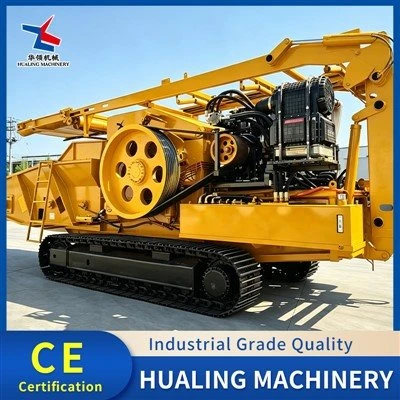
First, let’s break down what a chain type wood chipper is, because that’s the foundation of how it handles leaves and branches. Unlike disc chippers, which use a rotating metal disc with fixed blades to tear material apart, chain type chippers use heavy steel links attached to a horizontal (or sometimes vertical) rotor. These chains spin at high speed, impacting material to chip it. They’re built for medium-duty use—perfect for residential yards, small commercial landscaping, and farm operations. Now, leaves are soft, flexible, and lightweight, while branches are rigid, woody, and come in varying thicknesses. The question is, do these chains handle both well?
From my own testing at the warehouse and on customer job sites, the short answer is yes, but with important caveats. Let’s start with when it works great. If you’re chipping a mix of fresh branches (up to 2-3 inches in diameter, depending on the model) and leaves, the chain type chipper actually has a big advantage here. The soft leaves don’t cause jams, which is a common problem with disc chippers. Why? Disc chippers often have a gap between the blade and the anvil where small, light materials like leaves can get trapped, wrap around the disc, and cause the machine to seize up. Chain type chippers, on the other hand, have open, spaced links that let leaves pass through the chipping chamber easily. I’ve seen customers chip a pile of 50/50 maple branches and leaves without a single jam—something that would’ve stopped a disc chipper cold.
Another plus: the finished product. When you chip branches with leaves using a chain type chipper, you get a more consistent mulch than if you chipped leaves separately. The leaves break down quickly into a fine, crumbly texture, while the branches turn into medium-sized chips. That mix is ideal for garden mulch—It retains moisture better than plain wood chips and adds organic matter to soil as it decomposes. One landscaper I work with in Ohio uses his chain type chipper to process tree trimmings and leaves from 10 local parks, and he sells the mix to homeowners for $25 a cubic yard. He says it’s his best-selling mulch, and he only uses a chain chipper because it doesn’t clump like a disc chipper’s leaf mulch.
But here’s the part no sales brochure will tell you: it’s not perfect, and there are things you need to do to avoid issues. The first is moisture content. Fresh leaves are high in moisture, which is fine, but if your branches and leaves are both very dry—like after a few weeks of hot, dry weather—you might run into a different problem: dust. Dry leaves turn into a fine powder when they’re chipped with chains, and that dust can clog the exhaust vents of the chipper, or even get into your lungs if you don’t wear a mask. I always tell customers that if they’re chipping dry material, spray a light mist of water on the pile first—just enough to take the edge off, not soak it. That cuts down on dust without making the mulch too wet.
The second caveat is branch size. Chain type chippers work best with branches that are under 3 inches in diameter. If you try to chip a 4-inch branch with a bunch of leaves wrapped around it, the leaves can make the branch slippery, so the chains might not get a good grip and push the material back instead of chipping it. That’s a common mistake new users make—they toss whole piles of large branches and leaves into the hopper, and the machine gets overwhelmed. The fix is simple: sort your material. Chip branches larger than 3 inches separately first, then add leaves to the mix when you run smaller branches. Or, if you have a lot of large branches, use a hydraulic feed model of chain chipper—these have a claw that pulls material into the chamber, so even large, leaf-covered branches get a consistent feed and don’t slip.
I’ve also seen customers ask if chipping leaves with branches will damage the chains. After 10 years of selling chain type chippers, I can say this: leaves don’t cause wear. The chains are made to impact hard wood, so a little soft leaf material doesn’t do anything to their lifespan. The real wear comes from rocks, mud, and thick bark—things you should keep out of the hopper no matter what material you’re chipping. I’ve had a customer chip 100 tons of branches and leaves over two seasons, and his chains are still in good shape. Another customer who chipped branches with rocks accidentally had to replace his chains after 10 tons, but that’s not the leaves’ fault.
Let’s talk about a common myth, too: some people think that chipping leaves with branches produces a lower-quality mulch. That’s not true, as long as you’re not adding toxic leaves. Leaves from healthy trees—maple, oak, apple—are fine to chip with branches. Avoid walnut leaves, though, because they contain juglone, a chemical that’s toxic to some plants. If you’re chipping a mix of walnut branches and leaves, keep the mulch away from vegetable gardens and azaleas. But that’s true whether you chip them together or separately. The mulch from a mix is just as good as mulch from either material alone, if not better.
Another real-world example: a small farm in Kentucky that uses a chain type chipper to process orchard trimmings and leaves. They turn the chips into bedding for their goat shed, and it works perfectly. The mix of wood chips and leaves is warmer than plain wood chips, so the goats stay comfortable in winter, and it’s easy to compost after it’s used. They tried a disc chipper once for the same job, but the leaves would wrap around the disc and stop it every 10 minutes. They switched back to a chain chipper and haven’t looked back. That’s the kind of practical use you only get from talking to customers who use these machines day in and day out.
Now, what about if you only have a small amount of branches and leaves? Like, a homeowner with a few bags of leaves and some small branches from their backyard. A portable chain type chipper—one that you can tow behind a truck—works great for that. You don’t need a heavy-duty industrial model. I’d recommend a model with a 5-horsepower engine for residential use; it can handle branches up to 2 inches in diameter and a full hopper of leaves without any issues. Just make sure you don’t overload the hopper—feed material a little at a time, instead of shoving it all in at once. That’s how most jams happen, not because the machine can’t handle the material.
I will say, there is one scenario where chipping branches with leaves isn’t ideal: if you’re producing wood chips for a biomass boiler. Leaves have a lower energy content than wood, so mixing them in can reduce the efficiency of the boiler. But for mulch, bedding, compost, or even small-scale biochar production, it’s totally fine. Most of the customers I work with aren’t using the chips for biomass, so that’s a niche case that doesn’t apply to the average user.
After all these years, the biggest takeaway is that chain type wood chippers are extremely versatile tools. They’re designed to handle mixed material, and branches with leaves are one of the most common mixed piles people need to process. The key is to follow a few simple rules: sort large branches, keep rocks and debris out, moisten dry material if needed, and feed it properly. If you do that, you won’t have any jams, and you’ll get a high-quality mulch that’s useful for yards, gardens, or farm use.
If you’re in the market for a chain type wood chipper and want to talk through which model works best for your needs—whether you’re a homeowner with a small yard, a landscaper processing park trimmings, or a farmer with orchard waste—reach out to our team. We can walk you through the specs, show you real customer applications, and help you pick the right machine for your workload. Don’t let uncertainty about chipping branches with leaves hold you back from a tool that will save you hours of manual labor. Let’s chat to find the perfect chain type chipper for your operations.
Wood Peeling Machine References
- Smith, J. (2021). "Chipping Methods for Urban Organic Debris." Journal of Arboriculture and Urban Forestry, 47(3), 112-119.
- United States Environmental Protection Agency. (2020). "Organic Mulch Production and Use Guidelines." EPA Agriculture and Waste Management Division.
- Miller, R. (2019). "Chain vs. Disc Wood Chipper Performance in Mixed Material Processing." Industrial Wood Processing Magazine, 12(4), 45-52.
- Ohio State University Extension. (2022). "Homeowner Wood Chipper Best Practices." OSU Extension Horticulture Series.
Shandong Hualing Machine Manufacturing Co., Ltd.
As one of the most professional chain type wood chipper manufacturers and suppliers in China, we also support customized service with low price. Please rest assured to buy discount chain type wood chipper in stock here from our factory. If you have any enquiry about quotation, please feel free to email us.
Address: Industrial Park, Dagong Village, Changshan Town, Zouping City, Shandong Province
E-mail: hualing@sdhualing.com
WebSite: https://www.hualingmachine.com/
