As a supplier of stone paint flakes, I often encounter inquiries from customers about the versatility of our products. One question that comes up frequently is whether stone paint flakes can be used on a rubber surface. This is a fascinating topic that combines the unique properties of stone paint flakes with the characteristics of rubber materials. In this blog post, I’ll delve into the scientific aspects of this question and provide you with a comprehensive analysis. Stone Paint Flakes
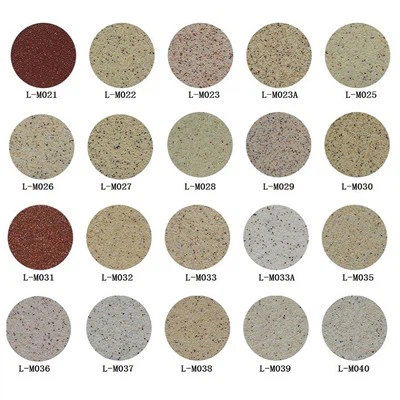
Understanding Stone Paint Flakes
Stone paint flakes are a decorative and functional material widely used in the construction and decorative industries. They are typically made from a combination of natural or synthetic stones, minerals, and pigments. These flakes come in a variety of colors, shapes, and sizes, which can create a rich and textured appearance on surfaces.
The main advantages of stone paint flakes include high durability, weather resistance, and a natural aesthetic. They can enhance the visual appeal of a surface while also providing protection against wear, UV rays, and environmental pollutants. Due to these properties, stone paint flakes are commonly used on walls, floors, and facades of buildings.
Characteristics of Rubber Surfaces
Rubber is a flexible and elastic material with excellent resistance to abrasion, impact, and chemicals. It is widely used in various applications, such as flooring in gyms, playgrounds, and industrial areas, as well as in automotive and marine industries.
The surface of rubber is usually smooth and has a certain degree of elasticity. This elasticity allows rubber to absorb shock and adapt to different shapes and movements. However, it also means that the surface may expand and contract with changes in temperature and humidity.
Compatibility of Stone Paint Flakes with Rubber Surfaces
The key to determining whether stone paint flakes can be used on a rubber surface lies in the compatibility between the two materials. Several factors need to be considered:
1. Adhesion
The adhesion between stone paint flakes and the rubber surface is crucial. If the flakes do not adhere properly to the rubber, they may peel off over time, leading to a loss of both functionality and aesthetics.
The adhesion can be affected by the type of adhesive used. Some adhesives may not bond well with rubber due to its smooth and non – porous surface. To ensure good adhesion, it is necessary to choose an adhesive that is specifically designed for use with rubber and can also hold the stone paint flakes firmly in place.
For example, two – part epoxy adhesives are often recommended for bonding to rubber surfaces. These adhesives form a strong chemical bond with the rubber and can provide sufficient strength to hold the stone paint flakes.
2. Flexibility
As mentioned earlier, rubber surfaces have a certain degree of elasticity. The stone paint flakes and the adhesive used must be able to withstand the movement of the rubber without cracking or breaking.
Stone paint flakes themselves are relatively rigid materials. However, if they are combined with a flexible adhesive, they can adapt to the movement of the rubber surface to some extent. The adhesive should have enough flexibility to stretch and contract along with the rubber, preventing the flakes from detaching.
3. Chemical Resistance
Rubber may be exposed to various chemicals, such as cleaning agents, oils, and fuels. The stone paint flakes and the adhesive used on the rubber surface should be resistant to these chemicals to avoid damage.
Some chemicals may react with the pigments or the base material of the stone paint flakes, causing discoloration or degradation. Similarly, the adhesive may lose its bonding strength when exposed to certain chemicals. Therefore, it is important to choose stone paint flakes and adhesives that are chemically compatible with the rubber surface and the potential chemical exposure.
Suitable Applications of Stone Paint Flakes on Rubber Surfaces
Based on the above considerations, there are several suitable applications where stone paint flakes can be used on rubber surfaces:
1. Decoration in Gyms and Playgrounds
In gyms and playgrounds, rubber flooring is commonly used for safety reasons. Applying stone paint flakes to the rubber surface can add a decorative element while still maintaining the functionality of the rubber.
For example, you can create a colorful and textured pattern on the rubber floor using different colored stone paint flakes. This can enhance the visual appeal of the space and make it more attractive to users.
2. Marine Applications
Rubber is often used in marine environments, such as on boat decks and docks. Stone paint flakes can be applied to the rubber surface to improve its slip resistance and durability.
The natural texture of the stone paint flakes can provide better traction, reducing the risk of slipping on wet surfaces. Additionally, since stone paint flakes are weather – resistant, they can withstand the harsh marine environment, including saltwater, UV rays, and high humidity.
The Application Process
If you decide to use stone paint flakes on a rubber surface, here is a general application process:
1. Surface Preparation
The rubber surface must be thoroughly cleaned and dried before applying the stone paint flakes. Remove any dirt, grease, or other contaminants from the surface using a suitable cleaner. You can also lightly sand the rubber surface to increase the roughness and improve the adhesion of the adhesive.
2. Adhesive Application
Apply the chosen adhesive evenly on the rubber surface according to the manufacturer’s instructions. The amount of adhesive used should be sufficient to cover the surface and ensure good bonding with the stone paint flakes.
3. Flake Application
Sprinkle the stone paint flakes evenly over the wet adhesive. Make sure to cover the entire surface with the desired density of flakes. You can use a sieve or a shaker to ensure an even distribution.
4. Excess Flake Removal
After the flakes have been applied, wait for the adhesive to dry slightly. Then, remove any excess flakes by gently brushing or vacuuming the surface.
5. Sealing
Once the adhesive has fully cured, apply a sealer over the stone paint flakes. The sealer can protect the flakes from wear, UV rays, and environmental pollutants, and also enhance the overall appearance of the surface.
Conclusion

In conclusion, stone paint flakes can be used on a rubber surface under the right conditions. By considering factors such as adhesion, flexibility, and chemical resistance, and following the proper application process, you can achieve a durable and aesthetically pleasing result.
Epoxy Floor Flakes Whether you are looking to enhance the decoration of a gym, improve the safety of a playground, or add functionality to a marine surface, stone paint flakes offer a viable solution. If you are interested in using stone paint flakes on your rubber surfaces or have any further questions, I encourage you to contact me for a detailed consultation and discussion about your specific needs. I look forward to working with you to create unique and high – quality projects.
References
- "Handbook of Adhesive Bonding" by Chris T. Ratcliffe
- "Materials Science for Engineers" by David R. Askeland
- Industry standards and guidelines for rubber and stone paint flake applications.
Dengjian New Materials Technology Dongtai Co., Ltd.
As one of the most professional stone paint flakes manufacturers and suppliers in China, we’re featured by quality products and good price. Please rest assured to buy customized stone paint flakes made in China here from our factory. Contact us for pricelist.
Address: Qindong New Materials and Equipment Industrial Park, Dongtai City, Yancheng City
E-mail: 992683005@qq.com
WebSite: https://www.djwallmaterial.com/
