Hey there! I’m an auxiliary equipment supplier, and I’ve been in this industry for quite a while. One question I get asked all the time is: "How do I choose the right auxiliary equipment for a specific process?" Well, I’m here to share some tips and insights to help you make that decision. Auxiliary Equipment
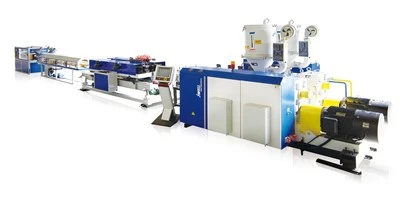
First things first, let’s understand what auxiliary equipment is. Auxiliary equipment is basically the equipment that supports the main process in a manufacturing or industrial setting. It can range from simple things like conveyors and pumps to more complex stuff like control systems and filtration units. The right auxiliary equipment can make your process more efficient, productive, and cost – effective.
Know Your Process Inside Out
The very first step in choosing the right auxiliary equipment is to have a deep understanding of your process. What are the main goals of the process? What are the raw materials involved? What are the operating conditions like? For example, if you’re in the food processing industry, you need to know the temperature, humidity, and hygiene requirements of your process. If you’re dealing with high – temperature processes like metal melting, the equipment you choose needs to be able to withstand those extreme temperatures.
Let’s say you have a chemical mixing process. You need to know the properties of the chemicals you’re mixing, such as their viscosity, reactivity, and density. If the chemicals are highly reactive, you’ll need equipment made from materials that won’t react with them. And if the mixture has a high viscosity, you’ll need a powerful mixer to ensure proper blending.
Consider the Capacity
Capacity is a crucial factor. You need to figure out how much output your process requires and then choose auxiliary equipment that can handle that capacity. If you choose equipment with a capacity that’s too low, it’ll be a bottleneck in your process. For instance, if you have a production line that’s supposed to produce 1000 units per day, but your conveyor can only handle 500 units per day, you’re in trouble.
On the other hand, if you choose equipment with a much higher capacity than you need, you’re wasting money. You’ll be paying for more power, more maintenance, and more space than necessary. So, do your calculations based on your expected production volume, peak loads, and future growth plans.
Look at the Quality and Reliability
You don’t want your auxiliary equipment to break down all the time. That’ll disrupt your process, cost you money in repairs, and potentially damage your reputation. So, look for equipment with a good track record of reliability. Check customer reviews, ask for references from the supplier, or look at industry reports.
High – quality equipment is usually made with better materials and more precise manufacturing processes. For example, a high – quality pump will have better seals and bearings, which means it’ll last longer and require less maintenance. And don’t forget about the warranty. A good warranty is a sign that the manufacturer is confident in their product.
Ease of Use and Maintenance
The auxiliary equipment you choose should be easy to operate. Your employees should be able to learn how to use it quickly without a lot of training. Complicated equipment can lead to mistakes and inefficiencies.
Maintenance is also a big deal. Equipment that’s hard to maintain can add a lot of extra work and cost. Look for equipment that has accessible parts, clear maintenance instructions, and readily available spare parts. For example, if you have a filter unit, it should be easy to replace the filters.
Compatibility with Existing Equipment
In most cases, you’ll already have some existing equipment in your process. The new auxiliary equipment needs to be compatible with this existing setup. This includes things like electrical connections, mechanical interfaces, and communication protocols.
If the new equipment isn’t compatible, you might have to make costly modifications to your existing system. For example, if you’re adding a new control system to your process, it needs to be able to communicate with your other machines and sensors.
Cost – Benefit Analysis
Cost is always a factor, but you can’t just go for the cheapest option. You need to do a cost – benefit analysis. Consider the initial purchase price, but also think about the long – term costs like energy consumption, maintenance, and replacement parts.
Sometimes, a more expensive piece of equipment can actually save you money in the long run. For example, an energy – efficient compressor might cost more upfront, but it’ll use less electricity over its lifespan, which can lead to significant savings.
Flexibility and Scalability
Your business might grow or change in the future. So, it’s a good idea to choose auxiliary equipment that’s flexible and scalable. Flexible equipment can be easily adjusted to handle different products or operating conditions. Scalable equipment can be expanded or upgraded as your production volume increases.
For example, a modular conveyor system can be easily extended or reconfigured as your production layout changes.
Supplier Support
As an auxiliary equipment supplier, I know how important it is to provide good support. You want a supplier who can answer your questions, provide technical assistance, and offer training if needed. Look for a supplier with a good customer service reputation.
A reliable supplier will also be able to provide you with spare parts quickly in case of a breakdown. And they might even offer additional services like equipment installation and commissioning.
Regulatory Compliance
Depending on your industry, there might be certain regulations and standards that your auxiliary equipment needs to meet. For example, in the medical industry, equipment needs to meet strict safety and quality standards. Make sure you choose equipment that complies with all the relevant regulations.
Non – compliant equipment can lead to legal issues and fines. So, do your research and ask your supplier about the regulatory compliance of their products.
Testimonials and Case Studies
Don’t just take the supplier’s word for it. Look for testimonials and case studies from other customers. This can give you a real – world idea of how the equipment performs in different processes. You can find these testimonials on the supplier’s website, industry forums, or by asking the supplier directly.
If a supplier has a lot of positive testimonials and case studies, it’s a good sign that their equipment is reliable and effective.
So, there you have it! These are some of the key factors to consider when choosing the right auxiliary equipment for a specific process. If you’re still not sure which equipment is right for you, don’t hesitate to reach out. As an experienced auxiliary equipment supplier, I’m more than happy to have a chat, understand your specific needs, and help you make the best decision for your process. Let’s get started on optimizing your production with the right auxiliary equipment!
Pipe Extrusion Line References:
- Personal experience in the auxiliary equipment supply industry
- Industry – specific research on manufacturing processes and equipment requirements
Zhejiang Jwell Pipe Equipment Co., Ltd.
As one of the most professional auxiliary equipment manufacturers and suppliers in China, we’re featured by quality products and good price. Please rest assured to buy cheap auxiliary equipment in stock here from our factory. Customized orders are welcome.
Address: No.128 Qingfeng Road, Xieqiao Town, Haining City, Jiaxing City, Zhejiang Province
E-mail: salaa@jwell.cn
WebSite: https://www.jwell-pipe.com/
