Can a TFT LCD touch screen be used in wearable devices?
In the fast – evolving world of technology, wearable devices have emerged as a significant segment, offering a plethora of functions from fitness tracking to communication. As a supplier of TFT LCD touch screens, I often get asked about the viability of using these displays in wearable devices. In this blog, I will explore the various aspects of incorporating TFT LCD touch screens into wearables, considering their advantages, challenges, and the overall potential in this dynamic market. TFT LCD Touch Screen

Advantages of TFT LCD Touch Screens in Wearable Devices
One of the most prominent advantages of TFT LCD touch screens is their superior visual performance. TFT (Thin – Film Transistor) technology provides high resolution and excellent color accuracy. In wearable devices, this means that users can enjoy clear and vivid images, whether they are looking at notifications, fitness data graphs, or maps. For example, a smartwatch with a TFT LCD touch screen can display colorful and detailed watch faces, enhancing the aesthetic appeal of the device.
The touch – screen functionality is another key benefit. It allows for intuitive user interaction. Wearable device users expect quick and easy access to information and settings. With a touch screen, they can swipe, tap, and pinch to zoom, just like they do on their smartphones. This seamless interaction makes the device more user – friendly, especially for tasks such as answering calls, adjusting workout settings, or checking the weather.
TFT LCD touch screens also offer good sunlight readability. Unlike some other display technologies, TFT LCDs can be adjusted to handle different lighting conditions. Specialized coatings and backlight control systems can be employed to ensure that the screen remains visible even in bright sunlight. This is crucial for wearable devices like fitness trackers, which are often used outdoors.
Durability is an important consideration for wearable devices, and TFT LCD touch screens can meet this requirement. Many modern TFT LCD touch screens are made with scratch – resistant glass or other protective coatings. This helps to ensure that the screen can withstand daily wear and tear, such as being rubbed against clothing or coming into contact with other objects.
Challenges of Using TFT LCD Touch Screens in Wearable Devices
However, the use of TFT LCD touch screens in wearable devices is not without challenges. One of the main issues is power consumption. Wearable devices typically have limited battery capacity. TFT LCDs require a backlight to illuminate the screen, and this backlight can be a significant drain on the battery. To address this, manufacturers need to optimize the backlight settings, such as using low – power modes or automatically adjusting the brightness based on ambient light.
Size and form factor are also important challenges. Wearable devices come in a variety of shapes and sizes, from smartwatches to fitness bands. TFT LCD touch screens need to be designed to fit these compact and often irregularly shaped devices. This requires advanced manufacturing techniques to produce small – sized, high – performance displays.
Cost is another factor. TFT LCD touch screens can be relatively expensive compared to some other display technologies. For manufacturers of low – cost wearable devices, this can be a deterrent. However, as the technology matures and production volumes increase, the cost is gradually coming down.
Market Potential and Application Examples
Despite the challenges, the market potential for TFT LCD touch screens in wearable devices is significant. The demand for smart wearables is only increasing, driven by factors such as the growing interest in health and fitness monitoring, the need for convenient communication on – the – go, and the integration of advanced technologies like artificial intelligence and the Internet of Things.
In the fitness tracker segment, TFT LCD touch screens are already widely used. These devices need to display a variety of data, such as step counts, heart rate, and sleep patterns. The high – resolution and touch – screen capabilities of TFT LCDs make them an ideal choice for presenting this information in an easy – to – understand way.
Smartwatches also benefit greatly from TFT LCD touch screens. They can run full – fledged operating systems, support a wide range of applications, and provide a rich user experience. Many high – end smartwatches on the market today feature TFT LCD touch screens, which allow users to make calls, send messages, and access various apps directly from their wrists.
Future Trends and Developments
Looking ahead, there are several exciting trends and developments in the use of TFT LCD touch screens in wearable devices. One trend is the integration of flexible display technology. Flexible TFT LCD touch screens can be bent and curved, allowing for more innovative and ergonomic wearable device designs. For example, a smart bracelet could have a curved display that wraps around the wrist more comfortably.
Another development is the improvement of touch – screen sensitivity. Future TFT LCD touch screens may be able to detect even the slightest touch, enabling more precise and natural user interaction. This could open up new possibilities for gesture – based control in wearable devices.
The combination of TFT LCD touch screens with other technologies, such as biometric sensors, is also on the horizon. This would allow wearable devices to not only display information but also collect and analyze user data more comprehensively, providing a more personalized user experience.
Conclusion
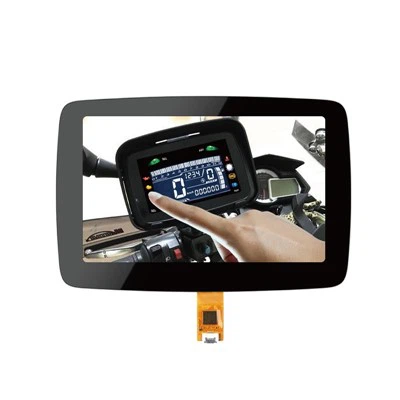
In conclusion, TFT LCD touch screens have both advantages and challenges when it comes to use in wearable devices. Their high – quality visual performance, touch – screen functionality, sunlight readability, and durability make them a strong candidate for many wearable applications. Although power consumption, size and form factor, and cost are issues that need to be addressed, the market potential for these displays in wearables is immense. With ongoing technological advancements, we can expect to see more and more innovative wearable devices featuring TFT LCD touch screens in the future.
Display Module with HDMI Board If you are a manufacturer of wearable devices or involved in the development of new wearable products, I invite you to reach out for a discussion on how our high – quality TFT LCD touch screens can meet your specific needs. We have a wide range of products and technical expertise to support your projects. Let’s work together to bring your innovative wearable device ideas to life.
References
- Smith, J. (2022). "Advances in Display Technologies for Wearable Devices". Journal of Technology Innovation.
- Brown, A. (2021). "The Future of Touch Screens in Wearables". Wearable Tech Magazine.
- Green, M. (2020). "Power Management Strategies for TFT LCDs in Wearable Devices". Electronics Engineering Journal.
Shenzhen Mingqi Photoelectric Co., Ltd.
We’re well-known as one of the leading TFT LCD touch screen manufacturers and suppliers in China, featured by quality products and good price. Please rest assured to buy bulk customized TFT LCD touch screen from our factory. Welcome to view our website for more information.
Address: 3rd Floor, Building A, Fufang Science and Technology Park, Xintian Community, Fuhai Street, Baoan District, Shenzhen, Guangdong
E-mail: mingqisales@gmail.com
WebSite: https://www.mq-screen.com/
