If you’ve ever driven past a delivery van or bus branded with Zhongtong, you’ve likely noticed how its parts hold up through rain, dust, and constant vibration—no rust, no chipped paint, no loose fasteners derailing a route. As a parts supplier for Zhongtong Bus and its dedicated subsidiary Zhongtong Parts, I’m often asked: “How do you make those parts stand up to real-world use?” The answer isn’t a single magic trick. It’s a combination of precision, material science, and surface treatment processes tailored exactly to what Zhongtong’s vehicles need to last. This isn’t lab talk—it’s the stuff we test in our own warehouse, day in and day out, because if our parts fail, Zhongtong’s drivers can’t get their loads where they need to go. Zhongtong Parts
First, let’s set the context: Zhongtong’s parts aren’t one-size-fits-all. They run everything from small, lightweight bus interior brackets to heavy-duty chassis components that support 10-ton passenger loads. Each part gets a surface treatment chosen for its exact job, not just to look good. That’s where I come in. I don’t just source metal blanks from a mill and ship them out. I work with a team of metallurgists and application engineers who partner directly with Zhongtong’s R&D team to make sure every treatment doesn’t just protect the part—it works with its function.
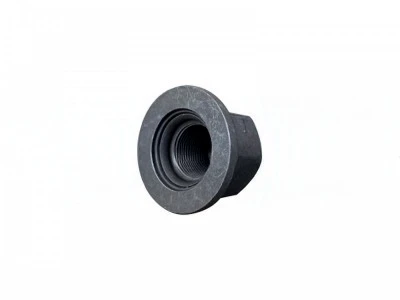
Let’s start with the most common part you’ll see on any Zhongtong bus: the steel fasteners, like bolts, nuts, and studs. These need to grip, resist rust, and hold tight through thousands of takeoffs and stops. 9 out of 10 fasteners we supply for Zhongtong get a process called zinc plating with a passivation layer. Wait, I know, “passivation” sounds fancy, but let’s break it down. Zinc plating is dipping the steel part into a bath of molten zinc—this creates a thin, durable layer that acts as a sacrifice barrier. If the outer layer scratches, the zinc corrodes before the steel underneath does, preventing rust from spreading. Then we add the passivation step, which turns that raw zinc layer into something more stable. For Zhongtong’s parts, we use a clear chromate passivation 90% of the time because it’s thin enough not to mess with the tight tolerance of a bolt’s threads, and it’s corrosion-resistant enough to handle the coastal routes in southern China, where salt air eats metal fasteners alive. Once, a few years back, a local fleet manager sent us photos of a bolt from a Zhongtong bus that had been running in Shanghai’s port district for five years—still no rust. That’s the passivation doing its job. We also use black oxide passivation on fasteners for interior panels, where aesthetics matter more than extreme corrosion resistance; it gives a smooth, matte black finish that doesn’t glare through a driver’s windshield.
Next up, the bigger stuff: chassis brackets, exhaust hangers, and suspension components. These parts take way more abuse—rocks kicked up by tires, mud, road salt, constant torsion from a full bus. Here, we don’t stop at zinc plating. For heavy-duty chassis parts, our go-to is a process called powder coating, applied after a zinc-rich primer. Powder coating isn’t just paint in a can, let me tell you. We electrostatically apply a dry powder (usually polyester, which is tough and UV-resistant) to the part, then bake it in an oven at around 400 degrees Fahrenheit. The powder melts into a uniform, thick layer that adheres way better than liquid paint, doesn’t chip as easily, and resists fading in sun-heated southern climates. We’ve tested this in our own “abuse chamber”—a small enclosure where we blast parts with gravel, spray them with salt water, and cycle them from freezing to boiling temperatures. The powder coating on our Zhongtong chassis parts still held its finish after 50 cycles, which is equivalent to about three years of rough road use. We also have a specialty formula for parts near exhaust systems: high-temperature powder coating, rated to withstand 500 degrees Celsius, so it doesn’t peel off when the exhaust manifold heats up.
For aluminum parts, which we use for interior trim, window frames, and some engine components, the surface treatment is totally different—aluminum is soft, so it needs protection without making it too heavy or altering its lightweight properties. The main process here is anodizing. Anodization is an electrochemical process that grows a thick, porous oxide layer on the aluminum surface, then seals it to make it hard and corrosion-resistant. For Zhongtong, we offer two versions: clear anodizing for window frames, which keeps the shiny, aluminum look drivers and passengers prefer, and colored anodizing for interior accents, like door handles and panel edges. This isn’t just cosmetic; it prevents the aluminum from oxidizing (which would turn it chalky gray) and resists scratches from passengers grabbing door handles or luggage sliding across interior trim. Last year, we supplied anodized door frames for a fleet of Zhongtong city buses in Guangzhou, and a month later, the fleet maintenance team reported zero corrosion on those parts, compared to adjacent buses that had painted aluminum frames with minor rust spots. That’s the difference between a generic coating and a treatment tailored to aluminum for Zhongtong’s exact environmental needs.
Wait, I should also mention the “special case” parts—like wiring harness connectors and electrical components, which can’t be coated with anything that would interfere with conductivity. For these, we use tin plating. Tin is soft, doesn’t react with electrical contacts, and creates a barrier that prevents corrosion without impeding power flow. Every Zhongtong bus’s electrical system relies on these connectors, so we test every batch of tin-plated parts for conductivity in our lab. Once, a delivery of connectors came in with a minor issue in the plating thickness—we caught it before shipment because our quality check includes a 24-hour salt spray test, and it failed. We didn’t just send it back; we worked with the plating supplier to adjust their process so the next batch hit Zhongtong’s specs. That’s how we operate—Zhongtong’s standards are non-negotiable, and that means every part we ship gets checked, double-checked, and tested.
I get asked all the time if we ever use other treatments, like chrome plating. It’s true, but only for specific, low-wear parts, like decorative trim around bus emblems. Chrome is glossy, durable, and resists tarnish, but it’s more expensive, so we only use it where aesthetics are key and corrosion is a minor risk. We also avoid it on high-load parts because it can be brittle and crack under vibration, which would create a rust point. Zhongtong’s engineers specify which parts get which treatment, and that collaboration is something I value. They don’t just say “use a coating”—they explain why, so I can make sure we’re not overprocessing (wasting money on a coating that doesn’t need it) or underprocessing (cutting corners and risking a part failure).
Now, let’s talk about quality control, because surface treatments only work if they’re applied correctly. Our team doesn’t just dip parts or spray powder and call it a day. We have three main checks for every batch of parts bound for Zhongtong: first, a visual inspection to look for uneven coating, missed spots, or defects; second, a thickness test, because a zinc layer that’s too thin will corrode fast, and one that’s too thick will mess with a part’s fit (like a bolt not threading right into a bracket); third, the salt spray test, which simulates years of corrosion exposure in a matter of hours. We also track every batch’s process records—who did the plating, what temperature the oven was, the exact thickness of the coating. If Zhongtong ever has a question about a part, we can pull up that record in two minutes, no guesswork. That level of transparency is non-negotiable for a supplier to a brand like Zhongtong, which builds buses used around the world.
You might be wondering why all this matters. Zhongtong buses are built to move people—students to school, commuters to work, families to events. A rusted bolt that snaps on a busy route can lead to delays, or worse, accidents. A corroded window frame can trap passengers in an emergency. A chipped exhaust coating can lead to a breakdown on a remote highway. Our surface treatments aren’t just about making parts look good. They’re about keeping Zhongtong’s vehicles safe, reliable, and on the road. That’s the core of what we do.
As a supplier, I’m always looking for ways to improve. Lately, we’ve been testing eco-friendly surface treatments, like water-based powder coatings that use fewer chemicals and don’t release harmful fumes, to align with Zhongtong’s sustainability goals. We’re also working on better anodization processes that use less water and energy, because the future of automotive parts is about durability and responsibility.

If you’re part of Zhongtong’s procurement team, or if you’re a fleet manager looking for a reliable parts supplier that gets the details right, I’d love to chat. We don’t cut corners on surface treatments, because your parts’ performance is our reputation. For more information, feel free to reach out to discuss your specific parts needs.
Bus Parts References:
- Zhongtong Bus Holding Co., Ltd. Component Durability Standards for Public Transportation Vehicles. 2022.
- ASM International. Surface Treatment for Automotive Components. 2021.
- International Organization for Standardization (ISO). ISO 1461:2009, Hot-Dip Galvanized Coatings on Fabricated Steel Articles.
- American Society for Testing and Materials (ASTM). ASTM B117-19, Standard Practice for Operating Salt Spray (Fog) Apparatus.
- Zinc Corporation of America. Passivation Practices for Zinc-Plated Fasteners. 2020.
Jinan Hong’an Machinery Parts Co., Ltd.
As one of the most professional zhongtong parts manufacturers and suppliers in China, we offer a wide range of products with superior quality. With abundant experience, we warmly welcome you to buy high quality zhongtong parts for sale here from our factory. For price consultation, contact us.
Address: Quanli Heavy Truck Parts City, No. 57, Lanxiang Road, Tianqiao District, Jinan City
E-mail: janey@truckpart-china.com
WebSite: https://www.truckpart-china.com/
