As a provider of corrugated cardboard cat scratching boards, I’ve spent a considerable amount of time thinking about how to enhance the comfort of these products for our feline friends. Cats have specific needs and preferences when it comes to scratching, and understanding these can help us create a more appealing and comfortable scratching experience. Corrugated Cardboard Cat Scratching Board
Understanding Why Cats Scratch
Before delving into how to make the scratching board more comfortable, it’s essential to understand why cats scratch in the first place. Scratching is a natural behavior for cats. It helps them shed the outer layer of their claws, stretch their muscles, and mark their territory. Cats have scent glands in their paws, and when they scratch, they leave both a visual mark and a scent mark, communicating their presence to other cats.
The Appeal of Corrugated Cardboard
Corrugated cardboard is a popular choice for cat scratching boards for several reasons. Firstly, its texture is ideal for scratching. The ridges and grooves of the corrugation provide a rough surface that helps cats remove the dead outer sheaths of their claws. Secondly, it’s relatively inexpensive and lightweight, making it easy to move around and replace when it gets worn out. Additionally, cardboard is a natural material, which is non-toxic and safe for cats.
Factors Affecting Comfort
1. Texture
The texture of the corrugated cardboard plays a crucial role in the cat’s comfort. The corrugations should be of the right size and depth. If the ridges are too small or shallow, the cat may not be able to get a good grip, and scratching may not be as effective. On the other hand, if the ridges are too large or deep, it may be uncomfortable for the cat’s paws. We conduct extensive testing to ensure that our cardboard has the optimal corrugation size for maximum comfort and scratching efficiency.
2. Thickness
The thickness of the cardboard also matters. A thicker board is generally more durable and provides better resistance when the cat scratches. However, if it’s too thick, it may be difficult for the cat to dig its claws in. We use a carefully selected thickness that strikes the right balance between durability and ease of scratching.
3. Stability
A wobbly or unstable scratching board can be a major turn – off for cats. When a cat scratches, it needs a stable surface to push against. We design our scratching boards with a wide base and a sturdy construction to ensure that they stay in place during use. This gives the cat the confidence to scratch vigorously without worrying about the board tipping over.
4. Size
The size of the scratching board is another important factor. Cats like to stretch their bodies fully when they scratch, so a larger board allows them to do this more comfortably. We offer a range of sizes to accommodate different cat breeds and living spaces. Whether you have a small kitten or a large adult cat, there’s a suitable scratching board for your pet.
Ways to Enhance Comfort
1. Add Soft Padding
One way to make the scratching board more comfortable is to add a layer of soft padding around the edges or in the areas where the cat is likely to rest while scratching. This can be made from materials like felt or plush fabric. The soft padding provides a more comfortable surface for the cat’s paws and body, especially during long scratching sessions.
2. Incorporate Catnip
Catnip is a well – known stimulant for cats. By sprinkling some catnip on the scratching board or incorporating catnip – infused materials into the board, we can increase the cat’s interest and make the scratching experience more enjoyable. Catnip has a calming and exciting effect on cats, and it can encourage them to use the scratching board more frequently.
3. Provide Different Scratching Angles
Cats have different preferences when it comes to scratching angles. Some cats like to scratch vertically, while others prefer horizontal surfaces. We design our scratching boards with multiple scratching angles to cater to these different preferences. This allows the cat to choose the most comfortable position and angle for scratching.
4. Keep it Clean
A dirty scratching board can be unappealing to cats. Regularly cleaning the scratching board helps to remove dirt, hair, and the build – up of scent marks from other cats. We recommend vacuuming the board or wiping it down with a damp cloth every few weeks. This not only keeps the board looking clean but also maintains a fresh and inviting scent for the cat.
Testing and Feedback
As a supplier, we are committed to providing the best possible product for cats. We conduct regular testing with a group of cats to evaluate the comfort and appeal of our scratching boards. We observe their behavior, such as how long they spend scratching, their body language while using the board, and whether they show any signs of discomfort.
In addition to testing, we also value feedback from our customers. They can provide valuable insights based on their real – life experiences with our products. We encourage customers to share their thoughts and suggestions, and we use this feedback to continuously improve our scratching boards.
Conclusion and Call to Action

Ensuring the comfort of our feline friends when using corrugated cardboard scratching boards is of utmost importance. By understanding their needs, focusing on the factors that affect comfort, and implementing ways to enhance it, we can create a product that cats will love.
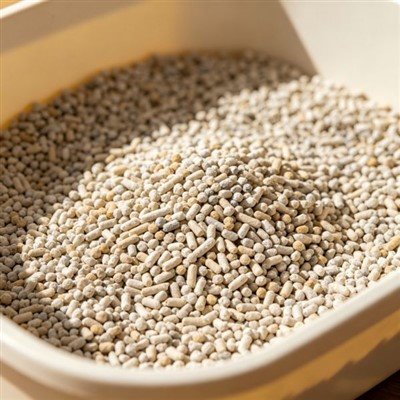
Mixed Cat Litter If you’re a pet owner looking for a high – quality and comfortable cat scratching board, or a retailer interested in stocking our products, we’d be delighted to discuss your requirements. Contact us to start a conversation about purchasing our corrugated cardboard cat scratching boards. We’re confident that our products will meet your expectations and provide a great scratching experience for your cats.
References
- Bradshaw, J. W. S., Casey, R. A., & Brown, S. (2012). The Behaviour of the Domestic Cat. CABI.
- Overall, K. L., & Dunham, A. E. (2002). Clinical Behaviors of Dogs and Cats: Medical, Genetic, and Environmental Factors. Mosby.
Qingdao Ray Pet Products Co., Ltd.
As one of the most professional corrugated cardboard cat scratching board manufacturers in China, we have world-leading production equipment and strong manufacturing capabilities. Please feel free to buy bulk high quality corrugated cardboard cat scratching board made in China here from our factory. Good service and low price are available.
Address: B401 Zhongtie Qingdao Plaza No.385, Dunhua Road, Qingdao, Shandong Province, China
E-mail: Karen.liu@ray-pet.com
WebSite: https://www.ray-pet.com/
