Hey there! I’m from a float level sensor supply team, and today I’m gonna walk you through how to install a float level sensor in a horizontal tank. It might sound a bit tricky, but with the right steps and a bit of know – how, you’ll have it up and running in no time. Float Level Sensor
Why Install a Float Level Sensor in a Horizontal Tank?
First off, let’s talk about why you’d want to install a float level sensor in a horizontal tank. These sensors are super useful for keeping an eye on the liquid level inside the tank. Whether it’s water, oil, or some other liquid, you need to know how much is in there. Overfilling can lead to spills, which are not only a mess but can also be dangerous and costly. On the other hand, running out of liquid unexpectedly can disrupt your operations. A float level sensor helps you avoid these problems by giving you accurate level readings.
Tools and Materials You’ll Need
Before you start the installation, gather up the necessary tools and materials. You’ll need a wrench or socket set, depending on the type of fittings your sensor has. A drill might be required if you need to make holes in the tank for mounting. You’ll also need the float level sensor itself, of course. Make sure you’ve got the right size and type for your tank. And don’t forget some Teflon tape to seal the connections and prevent leaks.
Step 1: Choose the Right Location
The first step in installing the float level sensor is to pick the right location on the horizontal tank. You want to place it where it can accurately measure the liquid level. A good rule of thumb is to install it at a point where the float can move freely without hitting any internal structures of the tank. Usually, this means mounting it on the side of the tank, near the middle or towards the bottom. Avoid areas where there might be a lot of turbulence or where the liquid flow could interfere with the float’s movement.
Step 2: Prepare the Tank
Once you’ve chosen the location, it’s time to prepare the tank. If you’re mounting the sensor through a pre – existing hole, make sure it’s clean and free of any debris. If you need to drill a new hole, measure and mark the spot carefully. Use a drill bit that’s the right size for the sensor’s fitting. After drilling, smooth out the edges of the hole to prevent any sharp edges from damaging the sensor or the sealing materials.
Step 3: Install the Mounting Bracket
Most float level sensors come with a mounting bracket. Attach the bracket to the tank using the appropriate screws or bolts. Make sure it’s securely fastened and level. If the bracket isn’t level, the float might not move properly, and you won’t get accurate readings. You can use a spirit level to check if it’s straight.
Step 4: Connect the Sensor to the Bracket
After the bracket is installed, it’s time to connect the float level sensor to it. Slide the sensor into the bracket and secure it with the provided clamps or screws. Make sure it’s firmly attached and that the float can move up and down freely.
Step 5: Make the Pipe Connections
Now, it’s time to make the pipe connections. If the sensor has inlet and outlet pipes, connect them to the tank using the appropriate fittings. Wrap the threads of the fittings with Teflon tape to create a tight seal and prevent leaks. Use your wrench or socket set to tighten the connections, but be careful not to over – tighten, as this can damage the fittings.
Step 6: Electrical Connections
If your float level sensor is electrically powered or has an electrical output, you’ll need to make the electrical connections. Follow the manufacturer’s instructions carefully. Usually, this involves connecting the wires to the appropriate terminals on the sensor. Make sure the connections are secure and that the wiring is properly insulated to prevent any electrical hazards.
Step 7: Test the Sensor
Once you’ve completed all the installations and connections, it’s time to test the sensor. Fill the tank with a small amount of liquid and observe the float’s movement. Check if the sensor is sending accurate level readings to your monitoring system. If there are any issues, such as the float not moving properly or inaccurate readings, double – check your connections and the installation.
Troubleshooting Tips
- Float Not Moving: If the float isn’t moving, check if it’s stuck on something inside the tank. Also, make sure the mounting bracket is level and that the float has enough clearance to move freely.
- Leaking Connections: If you notice any leaks at the pipe connections, tighten the fittings a bit more. If the leak persists, you might need to replace the Teflon tape or the fitting itself.
- Inaccurate Readings: Inaccurate readings could be due to a misaligned sensor or electrical issues. Check the sensor’s alignment and make sure all the electrical connections are correct.
Benefits of Our Float Level Sensors

As a float level sensor supplier, we take pride in offering high – quality sensors. Our sensors are made from durable materials that can withstand harsh environments. They’re designed to be easy to install, like we’ve just gone through. And they provide accurate and reliable level readings, so you can trust them to keep your operations running smoothly.
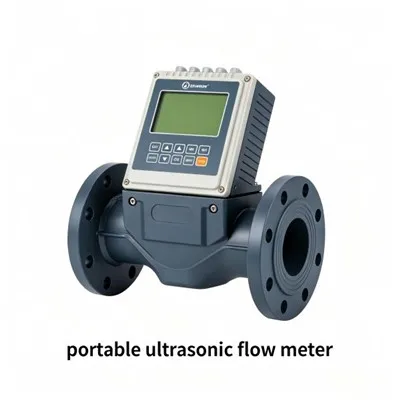
Ultrasonic Flow Sensor If you’re in the market for a float level sensor for your horizontal tank, we’d love to have a chat with you. Whether you have questions about installation, need help choosing the right sensor for your needs, or are ready to make a purchase, just reach out to us. We’re here to help you find the best solution for your tank level monitoring requirements.
References
- "Industrial Tank Level Measurement Handbook"
- Manufacturer’s Installation Guides for Float Level Sensors
Shenzhen Fineherc Technology Co., Ltd.
As one of the most experienced float level sensor suppliers in China, we’re featured by quality products and low price. Please feel free to buy discount float level sensor made in China here from our factory. Welcome to view our website for more information.
Address: 5th Floor, Building D, No. 39, Keji East Road, Torch Development Zone, Zhongshan City,China
E-mail: fineherc@hotmail.com
WebSite: https://www.fineherc.com/
