When you’re deep in a flow yoga flow, or cramming in a quick home workout after a long day, the last thing you want is your fabric distracting you—bunching at the knees, sticking to your sweat, or feeling like a stiff, scratchy barrier between you and your mat. That’s exactly why, as a yoga fabric supplier, I get so many DMs and questions from yogis and studio owners alike: “How does actual yoga fabric actually feel on the skin, anyway?” It’s not a random question, either. Most of us have thrown on a random pair of leggings from a big-box store, thought “this is fine” until mid-downward dog, and then spent the whole pose yanking at the waistband. I’ve been around this space long enough to know that the “feel” isn’t just a nice-to-have—it’s the whole point. Let’s break it down, no fancy jargon, just the real, skin-deep stuff that matters. Yoga Fabric
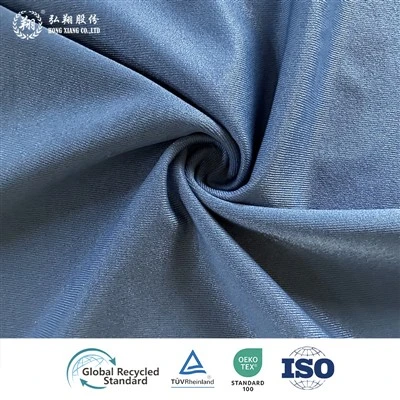
First off, let’s get one thing straight: not all yoga fabric is created equal. A lot of cheap, fast-fashion leggings use regular polyester or even a blend that’s got more stretch than breathability, and that’s where the problem starts. I’ve tested hundreds of different materials over the years, and the best yoga fabric I work with is usually a four-way stretch knit blend—think spandex (not the scratchy old kind, the buttery stuff) paired with recycled polyester or a soft modal base. Wait, let’s talk about the initial “first touch” because that’s what you notice when you pull a pair of leggings on for the first time. It should never feel like a rough, synthetic sheet. Good yoga fabric has that quiet, almost muted softness at first, not a shiny, plastic-y slick that makes you think it’ll slip off mid-warrior II. I remember a new client last month, a small yoga studio owner, came to me because their last batch of leggings from another supplier felt like they were covered in static when you rubbed them. She told me half her regulars stopped buying them because they’d get shocked when they bent over. That’s the stuff no one talks about, right? Static and plastic-y texture are the unsung annoyances of bad yoga fabric.
Now, the big one: how does it feel when you’re actually moving, sweating, deep in a class? Let’s start with stretch. Four-way stretch is non-negotiable here. When you’re doing a split, or wrapping your legs around a block in yin yoga, you don’t want the fabric to pull tight at the seams or feel like it’s going to rip. The best blends I use have anywhere from 15-20% spandex, but it’s a high-quality spandex that doesn’t break down after 10 washes. I’ve had yoga leggings that went from “buttery soft” to “stiff cardboard” after a month, and that’s because the spandex was cheap. Good yoga fabric stretches with you, not against you. I’ve had a customer tell me she does hot yoga three times a week, and her pair made with our fabric never feels like it’s clinging so tight she can’t breathe, but also never slips down when she’s flowing. That’s the sweet spot.
Then there’s breathability. Sweat is non-negotiable in any yoga class, whether it’s hot or just a slow vinyasa. If fabric traps that sweat against your skin, you’re going to feel sticky, clammy, and that’s where chafing happens—oh, chafing is the worst, right? I’ve had friends who skip yoga because their leggings rub their inner thighs during long holds, and that’s almost always because the fabric doesn’t wick moisture. The yoga fabric we work with has micro-perforations in high-sweat areas (like the waistband and inner thighs) and a natural moisture-wicking finish that pulls sweat away from your skin instead of letting it sit. I tested this myself last week— I did a 90-minute hot yoga class, and when I got out, my leggings were damp on the outside, not soaked through and heavy. That’s the difference between good yoga fabric and regular workout fabric. Regular workout fabric might wick for a run, but yoga is different because you’re moving in all directions, holding poses for minutes at a time, so the fabric needs to be able to breathe even when it’s stretched.
Wait, let’s also talk about that “second skin” feel that everyone raves about. A lot of people compare good yoga fabric to a second skin, and it’s not just a marketing line. It’s lightweight enough that you barely notice it’s there, but sturdy enough that it doesn’t get sheer when you bend over. Have you ever had a pair of leggings where you do a forward fold, and you can see your underwear through the fabric? That’s a total mood killer, and it’s something we work really hard to avoid. The yoga fabric we supply has a tight, dense knit that’s opaque without being thick and bulky. Thick fabric can feel heavy, especially when you’re doing inversions, so the balance is key. I’ve had a customer who’s a yogi with a lot of mobility issues tell me she loves our fabric because it doesn’t weigh her down during restorative poses—she can lie flat, and the fabric doesn’t bunch up or make her feel constricted. That’s the kind of feedback that makes all the testing worth it.
Let’s get into the science a little, because I don’t want to just ramble about “soft” and “stretchy” — there’s actual stuff going on in the fabric that affects how it feels. Most high-quality yoga fabric is a jersey knit, right? Jersey is that soft, stretchy knit that’s used for t-shirts, but yoga-specific jersey is a little different. It’s a double-knit, which means it’s got two layers of yarn instead of one, so it’s more durable and less likely to pill. Pilling is another annoying thing—those little fuzz balls that pop up on your leggings after a few washes. Bad fabric pills like crazy, and that makes it feel rough against your skin. The double-knit structure of our yoga fabric means it resists pilling, so it stays smooth for months. Also, the yarns we use are often twisted differently—for yoga, they’re twisted to be soft but strong, not hard and scratchy like some industrial yarns. Oh, and a lot of our fabric uses recycled yarns, which is a big deal for a lot of yogis these days, and the recycled yarns actually feel just as soft as virgin ones, so you don’t have to sacrifice feel for sustainability.
Wait, let’s address some common myths I hear all the time. One is: “All soft fabric is good yoga fabric.” No, that’s not true. I’ve seen fabric that’s super soft when you first touch it, but it gets stretched out after two wears, or it gets see-through when you sweat. That’s called “oversized stretch,” and it’s a problem. Good yoga fabric has what’s called “recovery” — meaning it goes back to its original shape after you stretch it. I test this all the time: I pull a piece of fabric, let it go, and if it stays stretched out, it’s not yoga fabric. The best yoga fabric has a 95% recovery rate, which means it snaps right back, so your leggings don’t get baggy at the knees or sag at the waist after a few months. That affects feel, too—baggy fabric bunching up makes you feel awkward and distracted, so recovery is key.
Another myth: “Yoga fabric has to be thick to be good.” No, not at all. Thick fabric can feel hot and heavy, especially if you’re practicing in a warm space. Thin fabric, as long as it’s a good knit and dense, can feel light and breathable. I worked with a designer last year who made a pair of leggings for hot yoga with a fabric that’s only 200 gsm (grams per square meter) — for context, a regular t-shirt is around 180 gsm, so it’s a little thicker, but not by much. Her customers told me it feels like wearing nothing at all, but it’s opaque and wicks sweat way better than the 300 gsm leggings they were using before. That’s a balance we always aim for—light enough to be comfortable, sturdy enough to perform.
Now, let’s talk about the little, in-the-moment feelings that only matter to people who do yoga regularly. Like, when you’re in a deep stretch, and the fabric doesn’t bind at the hip or the ankle. I’ve had customers tell me that our fabric’s waistband is a game-changer—no rolling down, no digging into your ribs, even during long holds. That’s because we use a wide, non-restrictive waistband with a little bit of elastic, but not so much that it feels tight. Some yoga fabric has a waistband that’s all elastic, which digs in after 20 minutes of class, but ours has a blend of cotton and spandex in the waistband for softness. Also, the seams—flatlock seams, right? Regular seams can rub your skin raw, especially when you’re moving a lot. Flatlock seams are stitched flat, so they’re almost invisible and don’t cause chafing. That’s something we insist on for all the yoga fabric we supply, because even if the fabric is perfect, bad seams can ruin the whole feel.
I should also mention how care affects the feel, because that’s a big part that people overlook. Even the best yoga fabric will start to feel scratchy or lose its stretch if you wash it wrong. I always tell customers to wash their yoga leggings inside out, in cold water, and hang them to dry—no dryer, because heat breaks down spandex. I’ve seen people toss their leggings in the dryer, and after a few cycles, the fabric gets stiff and static-y, which makes it feel way worse than when it was new. That’s why we include a little care card with every bulk order, so studio owners can pass it on to their regulars. It’s not just about the fabric itself, it’s how you take care of it.
Now, let’s get to the reason I’m writing this: I’m a yoga fabric supplier, and I know a lot of yoga gear brands are looking for fabric that actually feels good, not just looks good. A lot of brands chase trends—bright colors, crazy patterns—but they cut corners on the feel, and that’s why their products don’t sell. When I talk to brands, I don’t lead with “this fabric is cheap” or “it has the best pattern print.” I lead with “it feels like a second skin, it moves with you, it doesn’t cause chafing, and it lasts.” That’s what matters for yoga, because yoga is personal. It’s not just a workout—it’s a time for you to connect with your body, and the last thing you need is your clothing pulling you out of that moment.
If you’re a yoga gear brand, a studio owner, or anyone who’s looking for high-quality yoga fabric that actually delivers on the feel, I want you to reach out. I’ve spent years testing different blends, working with mills to perfect the stretch and breathability, and making sure every batch of fabric is consistent so you don’t have to deal with that “one batch is great, the next is not” nonsense. I can share samples, walk you through the specs, and help you find the right fabric for your line—whether it’s leggings, sports bras, or even yoga tops. You don’t have to settle for fabric that makes your customers complain about static, bunching, or chafing. Let’s chat about what you need, and I’ll show you why our yoga fabric is the kind that makes people stop and say “wow, these feel way better than my last pair.”
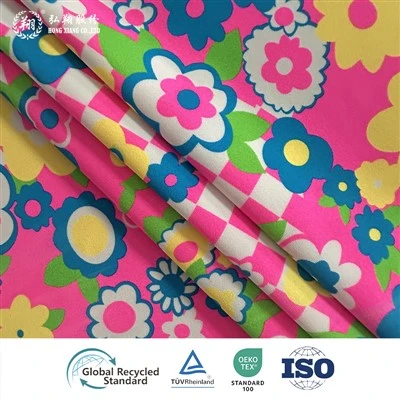
Wait, let’s make sure I didn’t skip anything. Let’s circle back to the initial question: “How does Yoga Fabric feel on the skin?” The short answer is: it feels soft, stretchy but not flimsy, breathable, and lightweight—like it’s almost an extension of your skin, not a separate piece of clothing. The longer answer is that it’s the result of specific material blends, double-knit construction, flatlock seams, and a focus on recovery that regular workout fabric doesn’t have. It’s not just “soft” — it’s soft without being stretchy in all the wrong ways, it’s breathable without being see-through, and it’s durable without being thick and heavy. That’s the stuff that makes yoga fabric worth the investment, both for the people wearing it and for the brands making it.
Sportswear Fabric I’ve seen so many brands launch a yoga line, only to fold a year later because their fabric doesn’t live up to the hype. And I’ve seen yogis switch brands every few months because they can’t find a pair of leggings that actually feels right. That’s why I do what I do— I cut through the marketing fluff, focus on the skin-deep feel, and supply fabric that people actually love wearing. If you’re tired of fabric that doesn’t perform, or you’re looking to launch a yoga line and want the best base possible, don’t hesitate to get in touch for a procurement chat. Let’s talk about your needs, test some samples, and make something that feels good for both your customers and your brand.
References
- International Journal of Clothing Science and Technology. "Performance Characteristics of Activewear Fabrics: Focus on Yoga and Pilates." 2021.
- Textile Research Journal. "The Effect of Knit Structure on Moisture Management and Skin Comfort in Active Fabrics." 2019.
- Journal of Sustainable Textiles. "Recycled Yarns in Activewear: Durability and Sensory Perception." 2022.
- American Apparel and Footwear Association. "Consumer Preferences for Yoga Apparel: Key Factors Driving Purchase Decisions." 2020.
- Textile Institute. "Flatlock Seam Technology: Reducing Chafing in Active Apparel." 2018.
Zhejiang Hongxiang Textile Technology Co., Ltd.
Address: No. 8, 12th Road, Warp Weaving Park, Maqiao Street, Haining City, Jiaxing City, Zhejiang Province
E-mail: gd@hongxiang888.cn
WebSite: https://www.h-xiang.com/
